NSDRSleepFocus
Natural Anxiety Remedies: 7 Methods Ranked by Speed
Seven natural anxiety remedies, from a breathing pattern you can use mid-spike to supplements tested over weeks, with the size and limits of each study.
16 min read
Discover breathing techniques and exercises to reduce stress, improve focus, and activate your body's relaxation response.
Seven natural anxiety remedies, from a breathing pattern you can use mid-spike to supplements tested over weeks, with the size and limits of each study.
Huberman's day as he described it in 2021, from morning light and delayed caffeine to NSDR after lunch and a cool bedroom, with each habit checked against the studies.
Cortisol should be high soon after waking and low by evening. How to lower it with timed light, easy exercise, time outdoors, sleep and ashwagandha, and what each study found.
The default mode network is what runs when your mind wanders. What it does, why a busy one goes with rumination and worry, and what quiets it, with the size of each study.
Five conditions that make flow likely, from Csikszentmihalyi's research to a cortisol experiment, plus which famous flow numbers to ignore.
Allostatic load is the wear and tear that builds when the stress response switches on too often or won't switch off. How it's measured, and what helps it switch off.
What heart rate variability measures, where the famous "good HRV" numbers come from, why your watch and ring disagree, and which habits move it.
Pushing a thought away tends to bring it back. Five methods that give your mind a different job, how to pick one by the shape of your overthinking, and what the trials found.
The 12 overtraining symptoms worth knowing, why a normal heart rate doesn't clear you, what a doctor checks, and how to rebuild training safely.
Zone 2 cardio benefits, sized honestly: what the trials show for fitness, blood pressure and blood sugar, why it feels calm, and how to find your zone.
A cold plunge cools all of you and has the research; a cold shower is free and easy to keep up. What each was shown to do, and how to start.
Most people plunge at 50-59F (10-15C). Start near 60F, work down over four weeks, keep sessions to a few minutes, and stay above 40F.
A long-exhale sigh, slow breathing and cold water on the face can slow a racing heart in minutes. What each does, and when to get help instead.
Five breathing techniques for sleep with exact steps, a way to pick one by problem, and an honest look at what the sleep studies found.
Cyclic hyperventilation is 30 deep breaths and a short empty-lung hold, repeated three times. What it does, how to do it, and why water and driving are off-limits.
The physiological sigh, box breathing, 4-7-8, long-exhale ratios and belly breathing: when to use each, exact steps, and how strong the evidence is.
Two breaths in, one long breath out. How to do the physiological sigh, why your body sighs on its own, and what a month-long Stanford trial did and didn't show.
Count back 90-minute cycles from your alarm and add 15 minutes to fall asleep. Tables for 5 and 6 cycles, plus what the estimate gets wrong.
The four stages of sleep, N1, N2, N3 and REM, run in cycles of about 90 minutes. What each one does, how long it lasts, how age changes it, and what protects it.
Most melatonin side effects are mild and uncommon. How often each shows up, how dose and labels change the picture, and what a 2025 heart failure study did and didn't show.
Sleep anxiety is a loop: lost sleep makes the brain more reactive, and worry about sleep keeps you awake. Seven methods that break it, and what the evidence shows.
A timed 5-step NSDR protocol for focus, the three best times to use it, and an honest look at what the NSDR trials found for attention.
By 3am sleep is lighter, melatonin is peaking and cortisol is rising, so stress, alcohol or a warm room can wake you. How to tell which cause is yours, and what to do.
Most adults sleep best around 65°F (18°C), give or take a few degrees. Why a cool room helps, a week-long test to find your own number, and five ways to get there.
Seven sleep habits ranked by evidence, from a fixed wake time and morning light to a cool, dark bedroom and a 9-hour caffeine cutoff, plus a morning-to-night checklist.
What the sympathetic, parasympathetic and enteric branches each do, why the vagus is mostly a sensory nerve, and which calming tools have evidence.
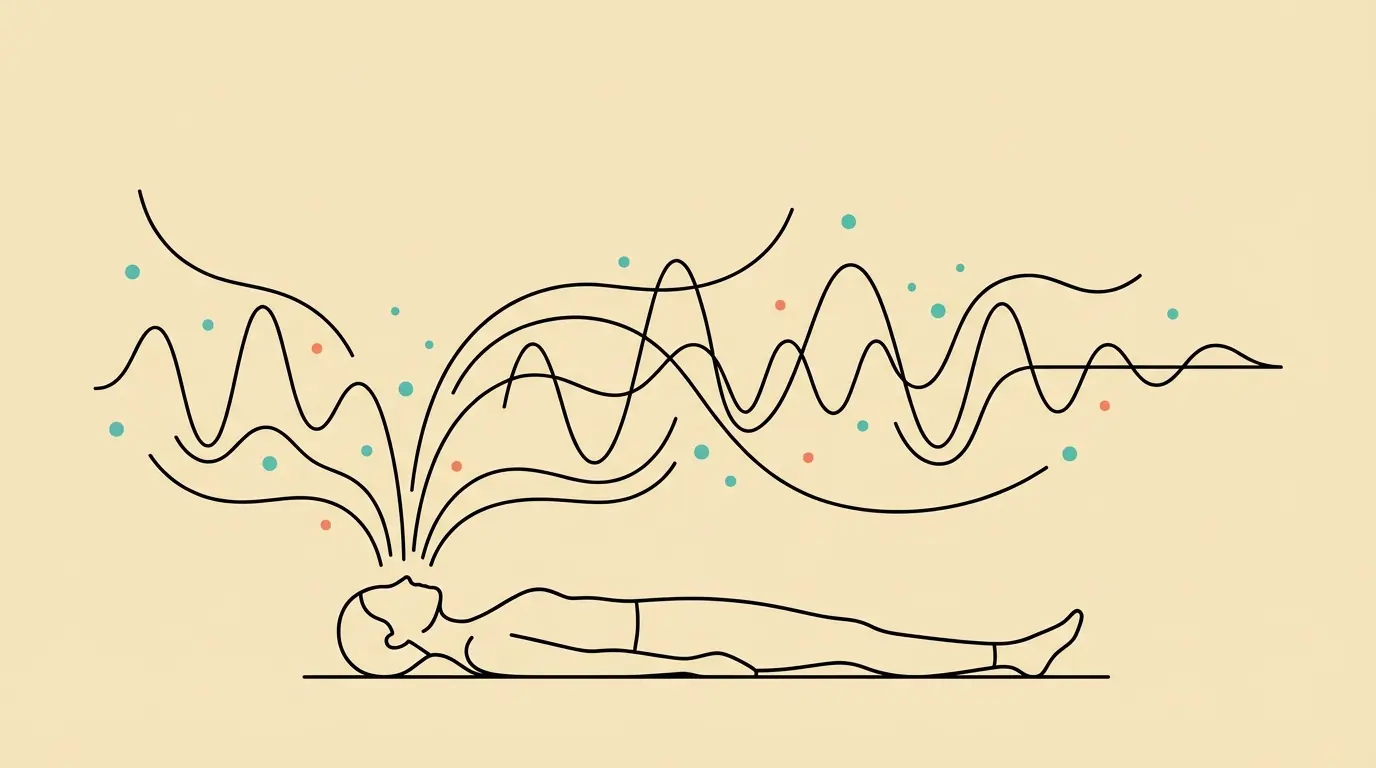
Yoga nidra is guided deep relaxation, usually done lying down while you stay awake. Its history, its 8 stages, and what the research shows.
The rest-and-digest branch of your nervous system, mostly carried by the vagus nerve. How it works, how to read it with HRV, and five ways to activate it, with the evidence for each.
Get up on time, get daylight, stop coffee by midday, nap 10 to 20 minutes early and keep your usual bedtime. What the studies on a bad night show, and where they stop.
Hard thinking changed brain chemistry in one study, and some recovery methods have better evidence than others. Seven to try, plus when fatigue is really burnout.
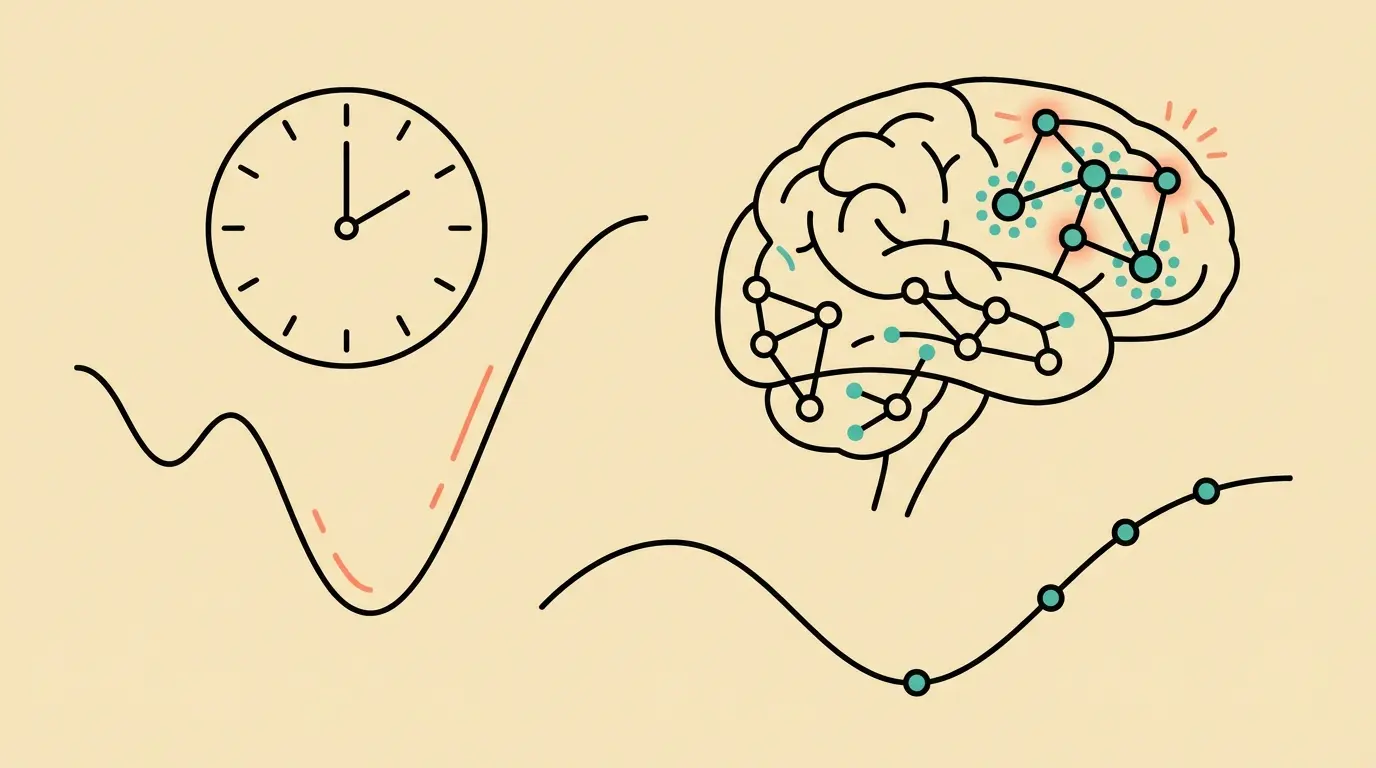
Your body clock and sleep pressure drive the afternoon dip, and a heavy lunch makes it worse. Seven ways to soften it, from daylight to a short nap.
Five ways to rest while awake, from a 2-minute breathing reset to a 10-minute NSDR session, with what the studies found and which one fits your situation.
A long-exhale sigh and cold water on your face each take under a minute. Seven ways to calm down, ranked by time, with what each study found and where it stops.
Quiet rest straight after studying gives a small memory boost that still shows a week later. How to use NSDR for it, and what Huberman now says about timing.
Huberman's NSDR routine in his own words: 10 to 30 minutes daily, longer after a bad night, linked to each episode, with the studies he cites checked.
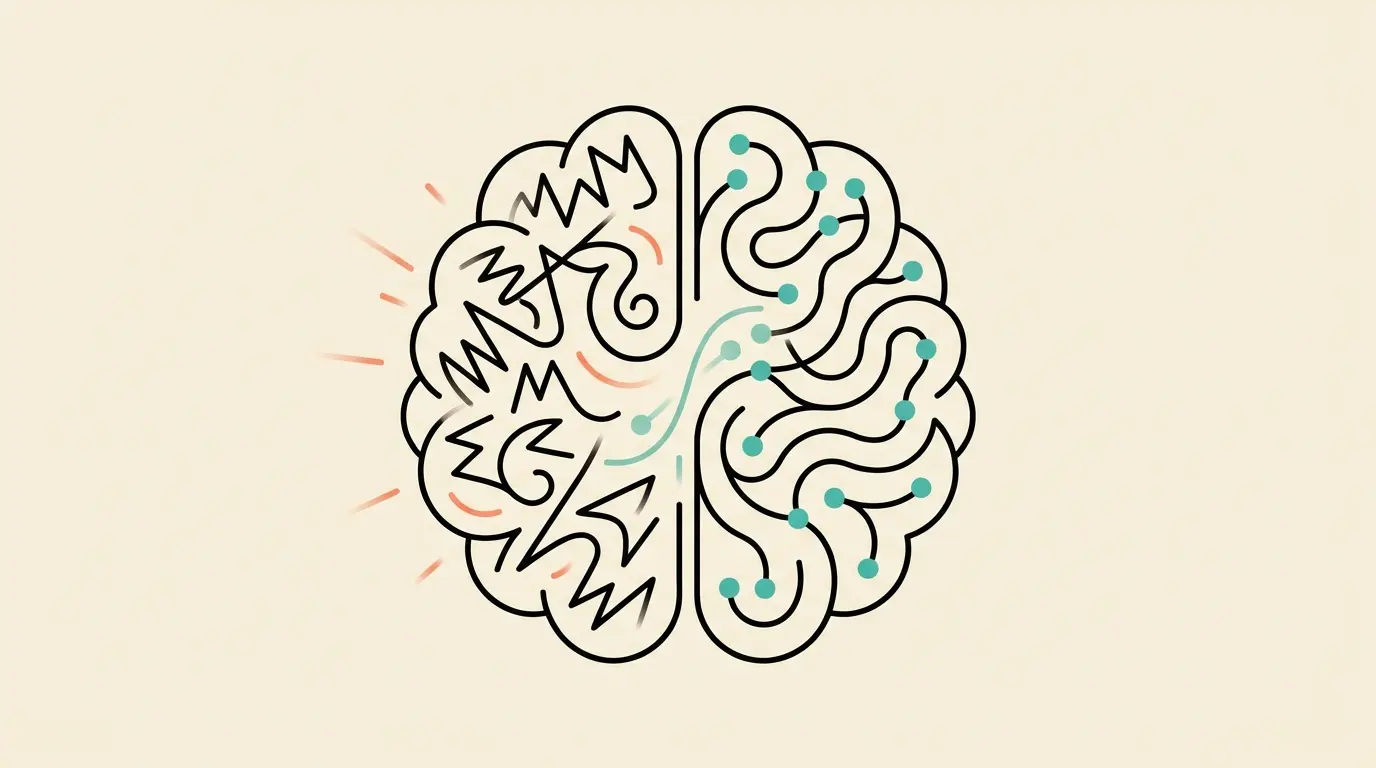
'Reset' isn't a medical term, but the tools are real: a 5-step plan for breathing, sleep, NSDR and exercise, with what each was shown to do.
Nervous system dysregulation is a stress response that won't settle. The 8 signs, what causes it, which medical conditions look the same, and what helps.
How the sympathetic and parasympathetic branches differ in nerves, messengers, reach and speed, what norepinephrine does, and which ways to calm down have real evidence.
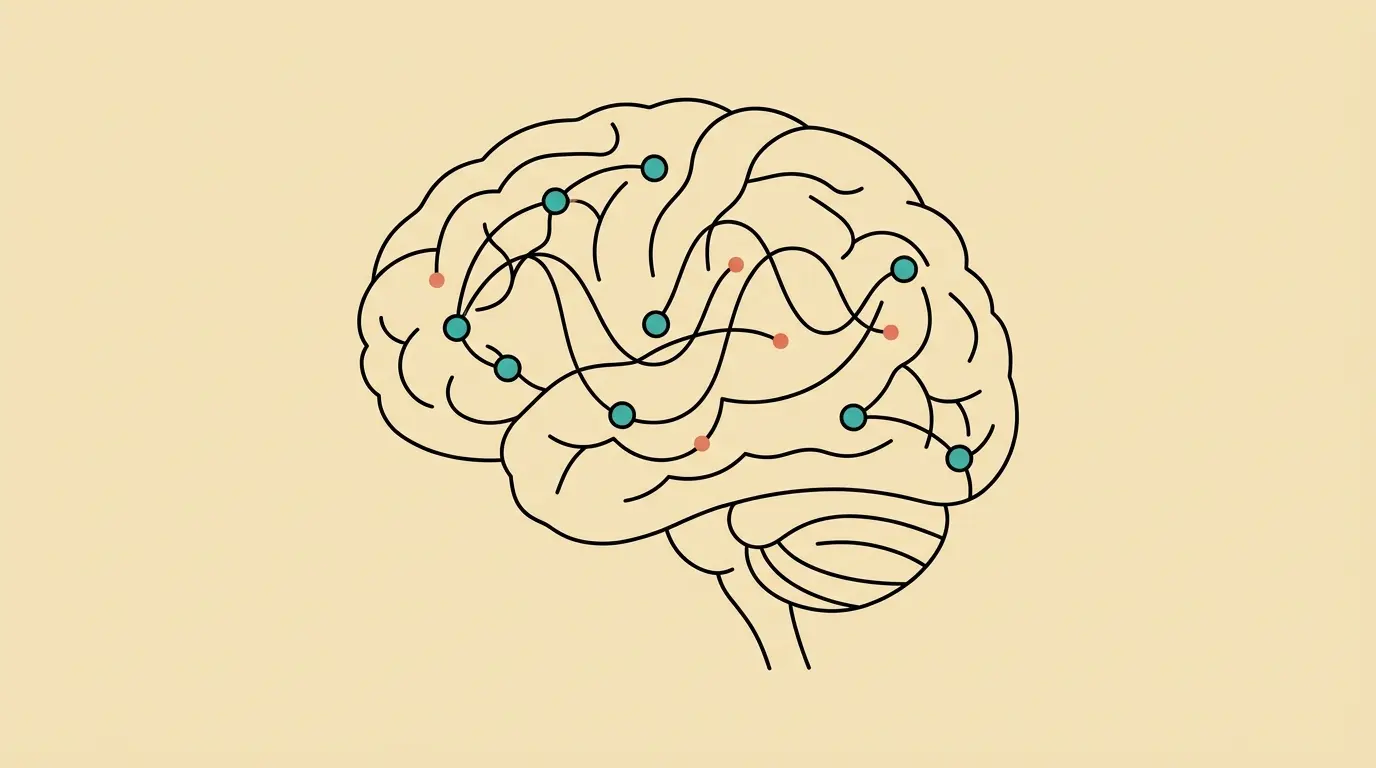
Non-sleep deep rest is guided rest done lying down and awake. What it is, how it differs from a nap or yoga nidra, how to start, and what studies show.
Seven ways to relax, from a 5-minute breathing drill to a walk outside, with what the research shows for each and what to do when relaxing makes you more anxious.
Brown noise has almost no sleep research of its own. What it is, why people like it, what a 2026 pink-noise study means for it, and how to use it safely.
White noise covers the sudden sounds that wake you, but the evidence is thin. What a 2026 REM study means, baby safety, and a safe volume and timer routine.
Which sleep sounds help? Eight types ranked by evidence, what a 2026 study found about pink noise and REM, and how to choose, how loud and for how long.
Timed pink-noise bursts boosted deep sleep in small lab studies. An all-night track cut REM in 2026. What it does for sleep and focus, and how to use it safely.
Brown noise is bass-heavy background sound. What it is, why the ADHD focus evidence is borrowed from white noise, and what's known about tinnitus, babies and safe volume.
Medical vagus nerve stimulation, its approved uses and devices, plus slow breathing, cold water and humming ranked by the studies behind them.
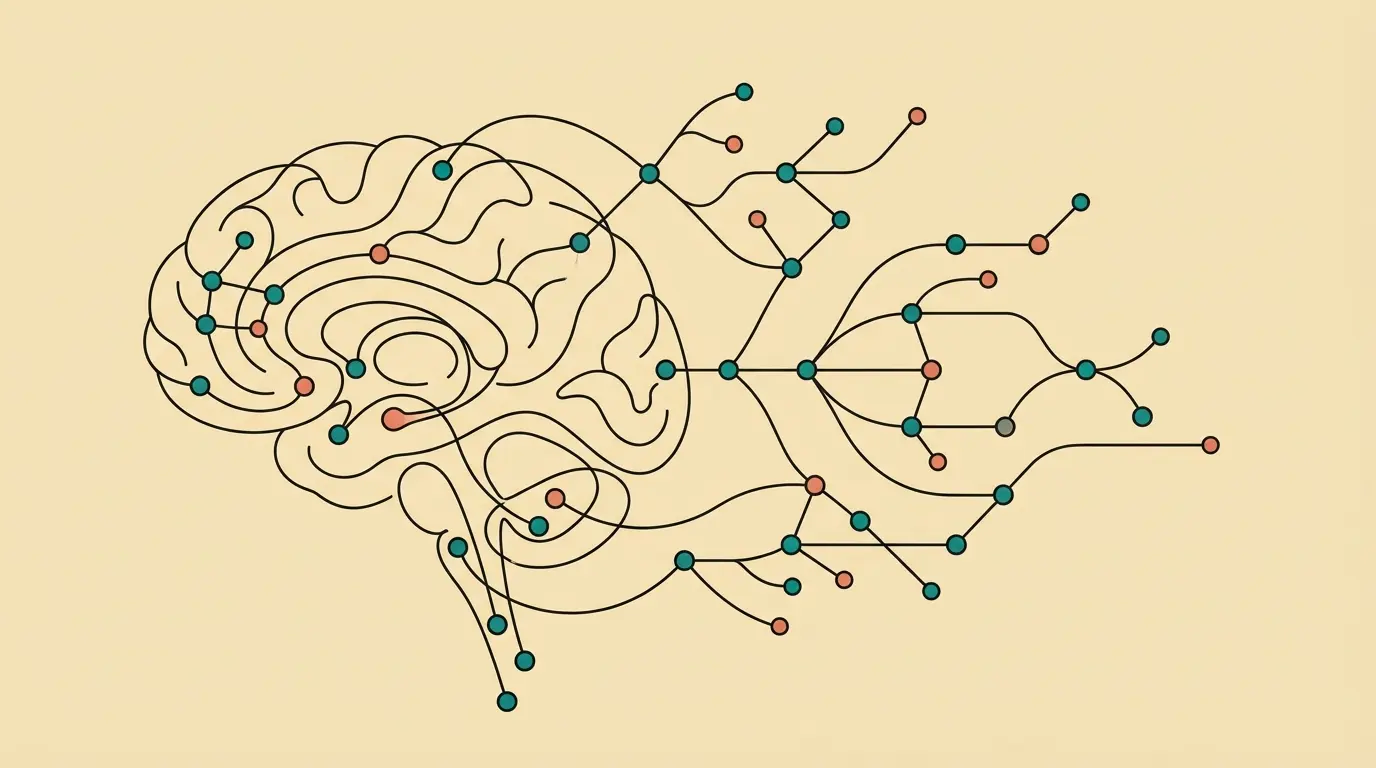
The NSDR protocol in six steps, then which session fits your goal: an afternoon slump, stress, skill practice, a bad night or bedtime.