GuidesResearch
Functional Freeze: Why You Feel Stuck but Keep Going
What people mean by functional freeze, why it isn't a medical diagnosis, how it overlaps with burnout, stress and low mood, and when to see a GP. For adults.
8 min read
Step-by-step guides and how-to content for practicing NSDR, improving sleep, and mastering relaxation techniques.
What people mean by functional freeze, why it isn't a medical diagnosis, how it overlaps with burnout, stress and low mood, and when to see a GP. For adults.

Fight, flight, freeze and fawn explained for adults: where each term comes from, what lab research shows about freezing, why fawn is a therapy term rather than a medical diagnosis, and when to see a GP.
Brain fog is a description, not a diagnosis. The warning signs that need a doctor, nine common causes, including short sleep, stress and thyroid problems, and the general steps that may help. For adults.
Where the military sleep method came from, the steps, and an honest look at the "asleep in two minutes" claim: it comes from its creator's account as retold in later articles, and we found no study that has tested it. For adults.
What biphasic sleep is, the debate over "first sleep" and "second sleep" in history, what lab studies show about splitting sleep, naps as a midday block, why polyphasic schedules are a bad idea, and who shouldn't try it. For adults.
What "social battery" means, why time with people can wear you out even when you enjoy it, what the research can and can't say, and practical ways to recover and plan ahead. For adults.
What the Scandinavian sleep method is, why a duvet each might help, what the research does and doesn't show, how it differs from a sleep divorce, and how to try it. For adults who share a bed.
What eustress is, how it compares with distress, why the same pressure can go either way, what the stress-mindset research does and doesn't show, and how to keep stress on the useful side. For adults.
Caffeine hides tiredness rather than removing it. Six reasons coffee can leave you sleepy, from sleep debt and tolerance to a late cup or a sweet latte, plus what to try instead and when to see a GP.
Nine ways to get through a few hours when you're exhausted, each rated by the evidence, from a short nap and well-timed caffeine to light and movement, plus when to stop and see a GP.
What delta waves are, when your brain makes them, what deep sleep is linked to, and what the evidence really says about binaural beats and other sound for deep sleep.
Why you toss and turn at night, from a hot room and late coffee to a busy mind, what helps you stay asleep, what your tracker's restless score means, and the signs it's time to see a GP.

Savasana, or shavasana, takes no strength or flexibility, yet teachers often call it the hardest pose. The steps, how long to stay, what the name means and what to try when lying still is hard.
Worn out but your mind won't switch off? Why it happens, five things to try tonight, what to change in the day, and when it's worth seeing a GP.
Sleep is only one kind of rest. The seven types at a glance, a quick self-check for the one you're missing, and an honest look at where the idea comes from.
Most evening workouts don't hurt sleep. Hard sessions close to bed are the risk. What three big studies found, and a timing guide by type of workout.
Waking in the night is normal; staying awake is the hard part. Seven things to try, in order, what to skip, the viral rules checked, and when to see a GP.

Seven gentle somatic exercises for stress and tension, each with simple steps and a plain line on what the research shows, and what it doesn't.

The window of tolerance is the zone where you can think, feel and cope. What each side feels like, what narrows it and what may widen it.
A normal adult breathing rate at rest is about 12 to 20 breaths a minute. How to count yours, what happens in sleep, and when a rate needs a doctor.

Overstimulated means more input than your brain can handle at once. What it feels like, what sets it off, and what helps you come down, step by step.

The winter blues are a common seasonal dip in mood and energy, not a diagnosis. How they differ from SAD, why darker days affect you, and what helps.
Doomscrolling is scrolling bad news long after you meant to stop. Why it's hard to quit, what the research says about mood and sleep, and what to try, especially in bed.
Being a light sleeper means sound wakes you easily. Why it happens, when broken sleep becomes a problem, and 8 things to try, with the evidence on each.
Sleep paralysis is waking while your muscles are still in REM shutdown. It's common and usually lasts seconds to a couple of minutes. What triggers it, and what helps.

Green noise is a softer, mid-range take on white noise with no studies of its own. What it is, how it compares to white noise, and how to use it safely.
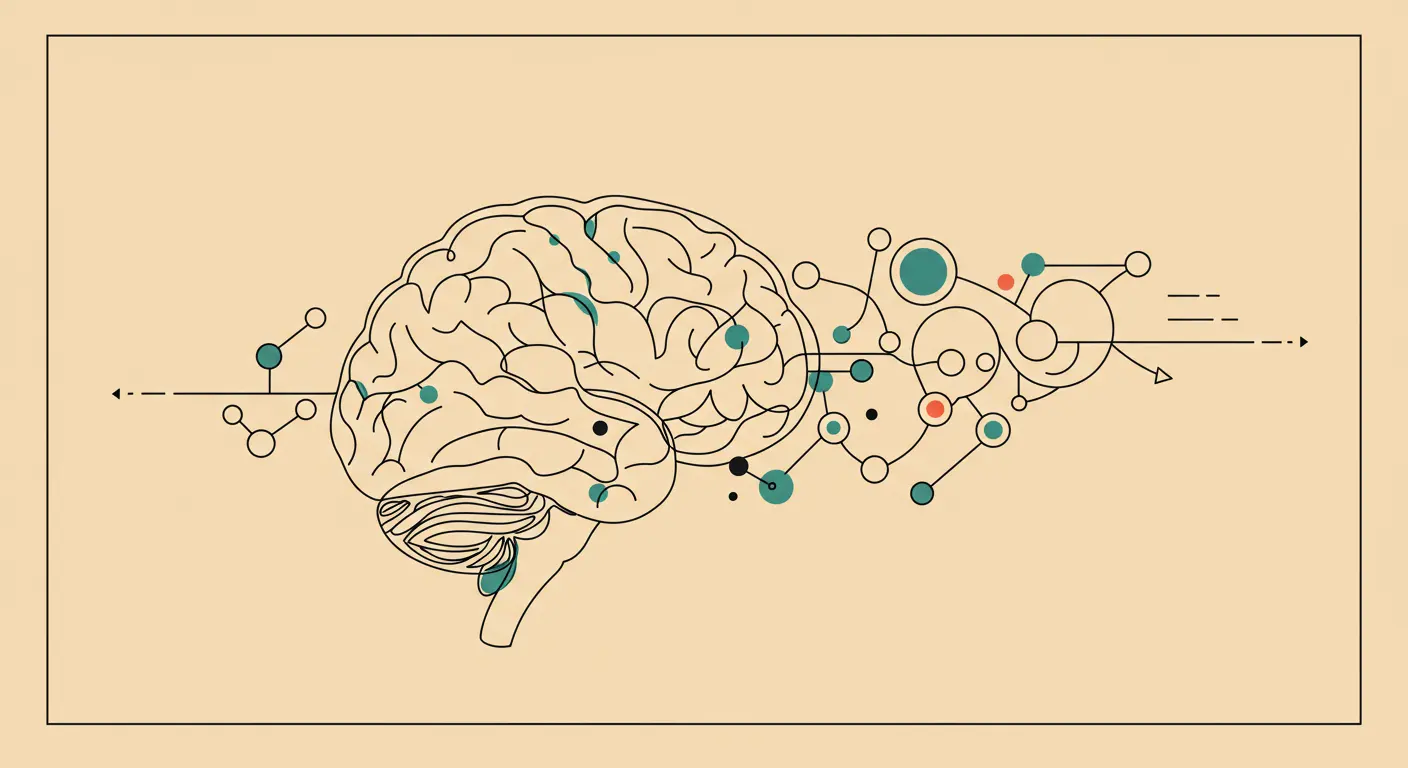
Huberman caps a focus session at 90 minutes, warm-up included, then 10 to 30 minutes of defocus. How to run one, how many a day, and what the evidence says.